
Core Belief
Seal Inside. Protect Longer.
TileSeal believes waterproofing is not a surface job — an effective protective layer has to be built from inside the tile structure, so owners can put leak worries behind them.
TileSeal's method is not a traditional surface coating or paint treatment. Our focus is penetrative sealing: the material seeps into grout lines and the structure beneath, forming a protective layer inside the tiles that helps block water from penetrating again.
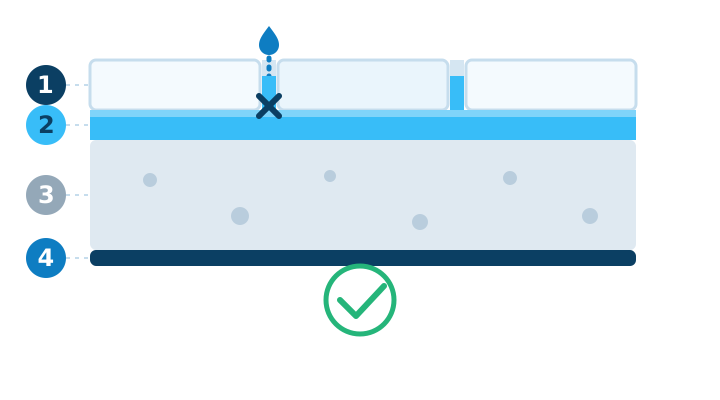
The concept: four layers, from surface to structure
- 1Tile surfaceWater gets in through grout lines, corners, joints and hairline cracks.
- 2Protective layer inside the tilesTileSeal's penetrative treatment carries the sealing layer into the tiles and joints, forming an internal barrier.
- 3Base structureThe layer helps reduce water travelling further down or into the walls.
- 4Blocking recurring leaksFewer penetration paths means lower risk of repeat leaks, damp walls and downstairs complaints.
Comparison
Why not a surface coating or paint
| Traditional coating / paint | TileSeal penetrative sealing | |
|---|---|---|
| Where it protects | Sits on the tile surface | Enters the tiles and joints, forming an internal barrier |
| Water path | Once the top layer wears, water re-enters through joints | Reduces water's paths down through the grout lines |
| Method | Often needs grinding or large-scale renovation | No large-scale hacking, where suitable |
| Disruption | Dust, noise, long downtime | Minimised dust, noise and downtime |
| Suitability | — | Photos first for an initial read; confirmed on site |
Suitability
Situations this suits
- Bathroom seepage
- Balcony ponding & leaks
- Kitchen floor seepage
- Damp walls
- Grout line seepage
- Downstairs leak complaints
- Mouldy corners
- Floors that never dry
- Commercial unit maintenance
Cases that need on-site assessment
Where structural problems, piping issues or other hidden factors exist, penetrative sealing does not replace the repairs those require — further inspection and treatment are needed. Whether a no-hacking approach suits your case, and which plan to use, is always confirmed on site. We do not make promises before understanding the situation.
Not sure if it's a leak? Send us photos first.
Share photos of the area, your unit type and a short description — TileSeal will take a first look and advise the next step.